


Sarah Shaw: Creativity, Theology, and Psychology in Harmony
Quick Summary: Recently on the BeUnbound podcast, I spoke with Sarah Shaw about her content platform, Lantova, that helps young adults explore purpose, resilience, and relationships through a Christian lens—integrating theology, psychology, and creativity.
Every time Sarah Shaw joins the BeUnbound podcast, something interesting happens. In a recent episode, I got to do something I’ve been looking forward to for years: introduce you to the fully awakened version of a project that started as a half-formed idea, went to “sleep,” and then came back to life as something far richer than we could have imagined.
That project is called Lantova— live at Lantova.com. And at the center of its story is Sarah: Unbound alum, designer, speaker, and a clinical mental health counseling graduate who has worked in the counseling field and spoken at Unbound events.
In this article, I’ll tell you about the way Lantova went from a whiteboard in a living room to a “lost civilization” of an idea, to a living, breathing content platform that brings creativity, theology, and psychology together in one place.
Where the Lantova Idea Started
My friendship with Sarah goes back to an old Unbound event called The Great Art Project. We rented a cabin in the Smoky Mountains, brought in roughly thirty or forty students, and spent days exploring creativity, leadership, and story. A lot of leadership and creativity was born out of that gathering, including an ongoing pattern of conversations between Sarah and me every few months.
Fast-forward to 2019. Sarah, Victoria Schurter and I were all in a season of asking, “What’s next?” We started meeting, kicking around ideas about storytelling, content, and how to bring creativity and theology together. Out of those meetings, Sarah coined the name Lantova. We spun up a simple site, drafted some content, and began sketching a vision.
The future of education in your inbox.
Get productivity tips, commentary, and Unbound updates sent to you!
And then life happened.
I got pulled deep into a “little project” called Unbound. Victoria got drawn into that as well. Sarah headed off to graduate school. Lantova didn’t get dramatically shut down—it just quietly… stopped. At one point, I used a phrase with Sarah that stuck: we’d put the idea down for a nap.
What we really did was starve it. The project lay dormant, and we all moved on.
Or so it seemed.
How Did Psychology Become Part of Lantova’s Vision?
When Lantova went quiet, Sarah did something that might surprise you. She nannied. She did an interior tiling job. And then, because of COVID and a redirected plan, she ended up pursuing a master’s in clinical mental health counseling, intending to work as a therapist with kids.
During that season, Lantova never completely disappeared from her mind. She thought about using the name for a book or even a fictional country. But every time she tried to repurpose it, she sensed the Lord saying, “Don’t touch that.” So she didn’t.
Instead, she went through grad school, gained real-world counseling experience, and let the idea stay asleep.
The “resurrection” began not in a classroom, but back at Unbound events—specifically Basecamp 2024 in Gulf Shores, Alabama. Sarah gave a three-part talk on resilience there and met many of the people who are now on the Lantova team: Alana, Ben, Isabella, and Lucian, with others like Tamma and Jules connecting at different events.
Then came APEX 2024, where she gave a keynote built around a line she’d developed while praying through her message:
“If it is not good, it is not the end.”
That phrase stuck. Students referenced it. It started to show up in conversations. And as Sarah taught the art track—exploring how to create meaningfully and lead through art—she found herself naturally weaving together creativity, theology, and a third discipline she hadn’t had back in 2019: psychology.
Only then did she sense that it was time to wake Lantova back up.
What Is Lantova Today—and How Does It Work?
When we first brainstormed Lantova, we had two big “buckets”: creativity and theology. Today, what Sarah has built adds a third: psychology—specifically, how the mind and soul work, and how that knowledge interacts with what God has said about us.
That three-part lens is what a lot of academics call interdisciplinary work: taking multiple disciplines and looking at the same reality through each of them. For Lantova, that means exploring questions like:
- How do I process my past?
- How do I build resilience?
- What is my purpose?
- How do I engage with creativity and calling in a broken world?
through a combination of theology, psychology, and creativity.
Sarah has seen that when you do that well, it “opens people up” in a way that pure theory doesn’t. Instead of vague self-help or abstract doctrine, you get real, practical help that lands in the heart.
That’s especially important for young adults—many of whom, like a lot of our Ascend students, want:
- Meaningful relationships
- Meaningful work
- A deep, honest relationship with the Lord
But when they go looking for help online, they get a firehose of conflicting advice: on identity, relationships, mental health, and purpose. Everything feels complex and chaotic. It’s tempting to grab the fastest answer instead of the wisest one.
Lantova’s goal isn’t to throw more noise into that chaos. It’s to create a place where those questions are handled slowly, thoughtfully, and with depth.
Why Theology Has to Come First
At Lantova, the order of operations matters. Sarah and her team start with theology.
If you get who God is wrong, everything else cascades in the wrong direction. So Lantova treats good theology like tuning an instrument: if the foundational note is off, the whole song is off.
That leads to a tension a lot of people feel:
- On one side, there’s the fear that if you bring God into psychology or science, you’ll “pollute” the objectivity of the research.
- On the other, there’s the fear that if you bring psychology into theology, you’ll water down or twist who God is to make him fit the latest trends.
Both fears have real examples behind them.
You can see versions of “God of the gaps,” where God is used as a placeholder for everything we don’t understand yet. And you can also see versions of psychology that treat God as nothing more than a useful symbol—an organizing myth that helps people cope, but isn’t actually real.
Lantova refuses to accept either extreme.
Instead, Sarah looks back to the original meaning of psychology: psyche meaning “soul.” Psychology, in that sense, is the study of the soul—and Christians of all people shouldn’t be afraid of that.
Sarah noticed, reading through major counseling theories, that many of them are built on completely different definitions of what it means to be human. Imagine taking your car to different mechanics—one thinks it should be a sports car, another thinks it should be a Ferris wheel. You’d be nervous letting them “fix” anything. That’s what happens when we bring our deepest struggles to psychological systems that fundamentally disagree about who we are.
By putting theology first, Lantova grounds its view of the human person in God’s revelation of who he is and who we are. Psychology becomes a tool—a way of understanding how God designed our brains and bodies—not a replacement for truth.
How Does Lantova Tackle Tough Mental Health Topics Biblically?
If you’ve spent time on the internet, you’ve seen just how confusing certain topics get:
- Boundaries
- Narcissism
- Mental health and church culture
Without God in the picture, “boundaries” can quickly become a sanctified version of selfishness—cutting people off with no room for forgiveness or suffering for one another. Narcissism often gets treated like a pure amputation: once someone is labeled, there’s nothing to do but cut them out.
Lantova wants to create a space to wrestle through those topics with deep, grounded theology and clear thinking. That means acknowledging where modern psychology has real insights, naming where its foundations clash with a Biblical view of the person, and then integrating what’s true in a way that honors God.
It also means remembering that science itself, especially as we know it in the West, grew out of Christian conviction. Historically, many pioneers of scientific thought believed they were “thinking God’s thoughts after him”—studying a world he designed to be intelligible. That same posture can and should shape our approach to psychology.
What Will You Find at Lantova.com?
So what will you actually find if you head to Lantova.com?
Sarah describes Lantova as an interdisciplinary content platform, built around:
- Articles and blog posts
- A podcast (their first season is currently in production)
- Workshops and talks
- Future books and cohort-style experiences
All focused on helping people—especially young adults—navigate purpose, relationships, resilience, creativity, and mental health through the combined lenses of theology, psychology, and creativity.
If you click the Content tab, you’ll find the best way to stay connected: the newsletter. They designed it specifically so you can stay current with their work even if you’re trying to avoid social media. If you’re taking a break from Instagram or just don’t want to live in the scroll, the newsletter keeps you connected to new posts, podcasts, and resources without forcing you back into those feeds.
Give it a few weeks, and you’re likely to be entertained, intrigued, challenged, and encouraged—and you’ll get to “meet” a team of thoughtful, creative people who care deeply about truth and the souls of the people they serve.
Why Did Lantova Take Time to Launch? What Changed?
One of the themes Sarah’s story highlights is timing.
Back in 2019, Lantova simply couldn’t be what it is today. The third discipline—psychology—wasn’t in place. The team that now runs it hadn’t all met yet. And the timing wasn’t right for me or Victoria to be involved in the way we once imagined.
In the podcast episode we’re talking about here, David points to a TED Talk about startup timing and how research suggests that timing often outweighs even the idea or the team when it comes to success. For those of us who follow Christ, that’s more than randomness; it’s a reminder that God is in control of the timing of our efforts, even when we aren’t.
From my side, Lantova is also a story about letting go. I was there in the early days—brainstorming, sketching on whiteboards, registering domains. I wasn’t there when it came back to life. The current version of Lantova does things I couldn’t do, with skills I don’t have, and it’s better for that.
And that’s good news.
It means the time I invested wasn’t wasted; it was simply repurposed. Lessons learned in those early Lantova meetings translated directly into how we shaped Unbound. And now I get the joy of cheering from the sidelines while Sarah and her team run with something God clearly entrusted to them.
For you, that might mean:
- The project that “failed” wasn’t a failure—it was preparation.
- The idea that “died” might simply be napping.
- God may be shaping skills, relationships, and perspective you can’t yet see.
How Is Lantova Connected to the Unbound Community?
Lantova’s story is also, in a very real sense, an Unbound story.
The original idea grew out of Unbound relationships and events. The current team met through Basecamp, APEX, and other Unbound gatherings. Many of them are Unbound students or alumni whose talents were honed and shaped in the community long before they ever signed on to this project.
If you’re a young adult wondering how to integrate your faith with real-world questions, or a parent wondering where your student can find a community that takes both truth and calling seriously, that connection matters.
Where Can I Hear the Full Podcast Episode with Sarah Shaw?
If any of this resonates—if you’re wrestling with purpose, resilience, mental health, relationships, or how to hold theology and psychology together without compromising either—I want to invite you to listen to the full episode with Sarah Shaw.
You’ll hear:
- The full “death and resurrection” story of Lantova
- How a counseling degree and Unbound talks pulled creativity, theology, and psychology together
- Practical reflections on boundaries, narcissism, and navigating modern mental health conversations as a Christian
- Why you don’t have to be afraid of hard questions—or of integrating disciplines under the authority of God’s truth
Then, head over to Lantova.com, click the Content tab, and sign up for the newsletter. And if you’re curious about the kind of environment where projects like this are born and the people who lead them are formed, you can always learn more about what we do at Unbound by visiting our site as well.
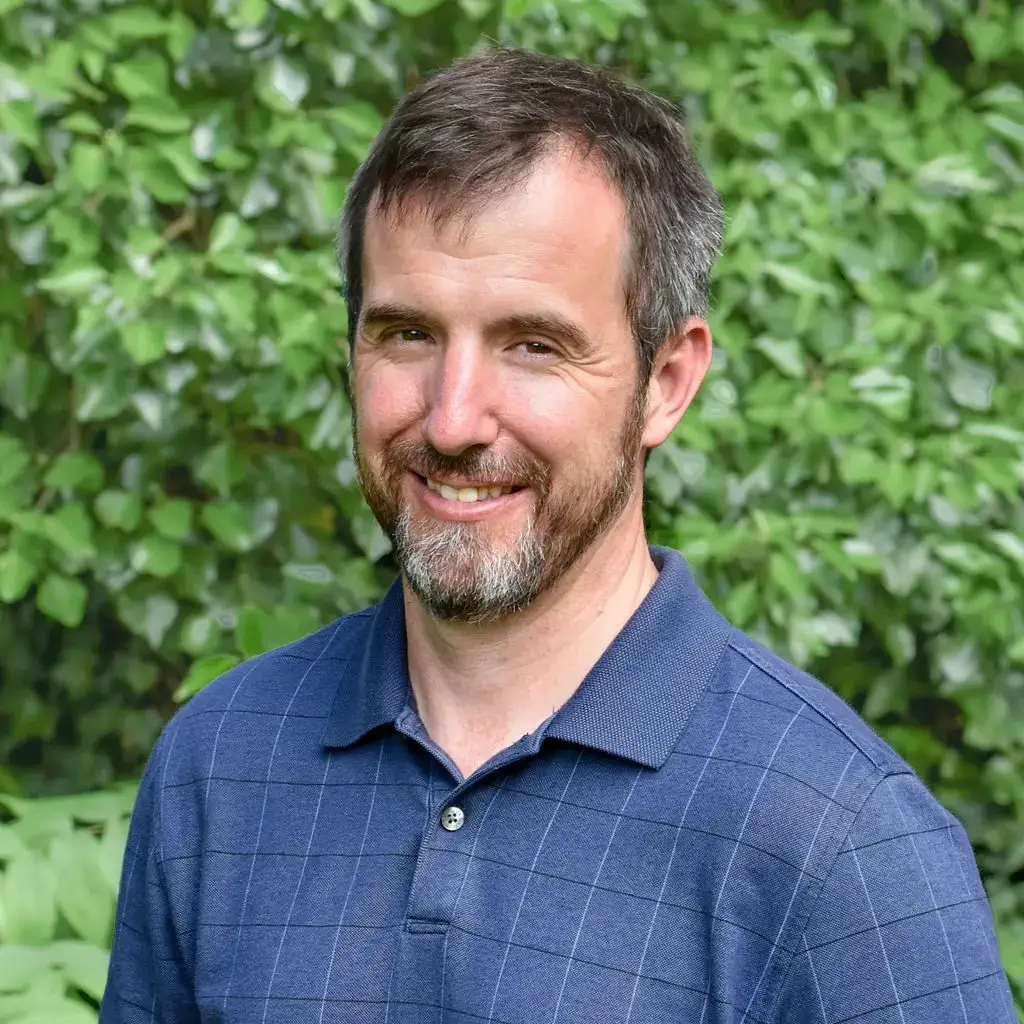
Jonathan Brush is the President and CEO of Unbound, a homeschool graduate, and a homeschool dad of six. He worked for nine years as a Director of Admissions for a private, liberal arts college, and then spent over ten years working in non-traditional higher education.
Jonathan loves Unbound and Unbound students and dreams every single day about new ways to connect them to each other. He gets to work with the world’s best team and the most amazing student body in the history of the world (which is just as awesome as it sounds), and field questions about Rule 4 violations (ask an Unbound student to explain). Jonathan and his family make their home in the Shenandoah Valley of Virginia.