


Sarah Holliday: Faith, Journalism, and a Biblical Worldview
Quick Answer: Sarah Holliday is a reporter on Capitol Hill with The Washington Stand, where she connects breaking news and commentary to a biblical worldview. In this article, I share about a conversation I had with Sarah about how Christians can engage in politics with conviction and compassion—without demonizing opponents. From prayer to policy, her work shows how faith can shape public life while still honoring the image of God in every person.
In a recent episode of the Be Unbound podcast, I sat down with Sarah Holliday for a conversation that began with a simple premise: ideas matter—and people matter more.
Sarah works on Capitol Hill with the Family Research Council (FRC) through The Washington Stand, reporting the news and writing commentary from a biblical worldview.
Now, half the room cheers when you say “FRC,” and the other half bristles.
Sarah knows that tension well.
What impressed me is how she holds conviction and compassion together, day after day, in a place most Americans only see as headlines and caricatures.
The future of education in your inbox.
Get productivity tips, commentary, and Unbound updates sent to you!
To listen to the full conversation now, check out the podcast episode below!
Sarah Holliday covers politics with a biblical worldview – here’s how.
In Washington ideas spark headlines – but Sarah reminds us people matter more.
As a reporter with The Washington Stand, FRC’s news and commentary outlet, Sarah covers daily stories through Scripture’s lens and writes weekend commentaries that often start with a single verse, a sermon she heard, or a conversation that stuck with her.
She also helps with the “Washington Watch News Desk,” a five-minute rundown designed to make fast-moving headlines digestible before they air each day.
It’s a sprint—especially when the news cycle explodes—but the goal doesn’t change: connect what’s happening to faith, family, and freedom, and invite people to engage.
Sarah didn’t plan to land in politics. She came from Bible college—one year that “changed everything”—and discovered how Scripture touches every policy lane, from immigration to education.
The more she studied, the more she saw: if the Bible cares about it, she should care too. That posture now drives her beat.
What headlines has Sarah been watching—and why?
When I sat down with Sarah, the recent weeks had been crowded: the bombing of Iranian nuclear facilities and the ripple effects; ongoing questions around Israel, Gaza, Hamas, and the status of hostages; and a run of Supreme Court decisions that intersected directly with protecting children from pornography and whether taxpayers are compelled to fund abortion or so-called “gender-affirming care.”
On each issue, Sarah asks the same core questions:
What’s true? What’s good for neighbors? How does this align with biblical convictions?
She also pointed to less visible work: FRC’s government affairs team builds relationships with lawmakers and presses forward biblical principles in policy conversations. Some staff have even been invited into agencies such as the Department of Education.
Leaders like Speaker of the House Mike Johnson maintain deep relationships with FRC’s Tony Perkins—relationships marked by conversation and prayer.
You won’t always see that on cable news, but Sarah sees it behind the scenes and finds it encouraging.
Progress comes incrementally; prayer and persistence fuel it.
How do you carry conviction without becoming hyper-partisan?
FRC has been in the crosshairs for years. I remember learning that the Southern Poverty Law Center labeled FRC a “hate group,” and that label was part of the story behind a 2012 shooting at FRC’s headquarters. There’s still a bullet hole by the door. Building manager Leo Johnson stopped the gunman and was wounded. The next day, staff showed up anyway, not to escalate a fight with people, but to keep contending for truth. For Sarah, that episode captured the mission: promote faith, family, and freedom—and do it without losing sight of the people on the other side.
Sarah is clear: the Christian’s job is to expose evil and promote truth—but not to declare people irredeemable.
She paraphrased the line that when the world runs toward a cliff, those who turn around will look crazy.
The point is not self-righteousness. It’s realism about living against the current.
Truth will offend when you’re living in lies; light is blinding when you’re used to the dark.
Even so, Christians are called to fight ideas, not people. That framing changes tone, motives, and methods.
What does it mean to remember everyone is made in the image of God?
At Unbound, we tell our students: you don’t get the luxury of fighting orcs. The people advancing bad ideas are still people—image bearers—with dignity and value.
Sarah has had every reason to become bitter watching corruption and polarization up close. Instead, God has used those same moments to deepen her compassion.
“Such were some of you,” Scripture says. That’s not theoretical; it’s a reminder to keep praying for opponents and to celebrate when hearts change.
If a politician’s policies are harmful, work to replace the policies (and sometimes the politician). But don’t stop praying for the person.
A Christian hopes for enemies to become brothers and sisters.
How does Sarah keep perspective among “big names”?
When you live and work in D.C., “famous” people become neighbors and interview subjects—congressmen, heads of ministries, even the occasional celebrity.
Early on, that was daunting.
But remembering that titles don’t change humanity helped her find her footing.
Don’t idolize allies. Don’t demonize opponents. See people as people.
Some interviews are warm and conversational; others are clipped and businesslike. Either way, the work is the same: ask good questions, listen carefully, speak plainly, and keep the main thing the main thing.
How should everyday Christians engage with politics?
Sarah’s counsel starts where it must start: prayer. Prayer keeps our thoughts tethered to God’s will. It reminds us who God is—King of the universe and Father who cares—and it changes the person praying. Pray for peace. Pray for justice. Pray for conviction and courage. Pray that God’s will would be done and that you would want what He wants.
Next, stay informed through trustworthy, biblically grounded sources. Sarah points to FRC and The Washington Stand for news through a biblical lens and notes that other groups and ministries can help educate voters and equip them for action. Not everyone enjoys “reading the news,” but the right kind of formation—clear, truthful, and hopeful—can pull reluctant Christians back into the conversation.
Finally, have real conversations. Our cultural instinct is to curate opinions, not exchange ideas. We shut down what we dislike instead of testing it. That reflex breeds confusion and hostility. Sarah advocates for discernment, patience, and willingness to engage—always bringing the discussion back to Scripture and back to prayer. That’s not a bookend; it’s a rhythm.
What encouraged us most in this conversation?
Two threads stood out. First, the steady insistence that our battle is not against flesh and blood. The stronger the opposition, the stronger the call to love and pray for enemies. Second, the reminder that courage and kindness can coexist. Show up. Tell the truth. Keep your heart soft. Sarah’s day-to-day includes headlines most of us only see at a distance, but her posture is the one every Christian can adopt: pray, seek the truth, and act for the good of your neighbor.
Resources to learn more about Sarah’s work.
In the episode, we point you to the show notes for links to what Sarah mentioned, including her author page at The Washington Stand and resources at FRC. If this conversation encouraged you, share it with a friend who’s trying to navigate the same tensions. And as always, remember the core conviction we teach our students: every person you meet bears God’s image. Treat them that way, even while you fight hard for what’s true. Until next time—be unbound.
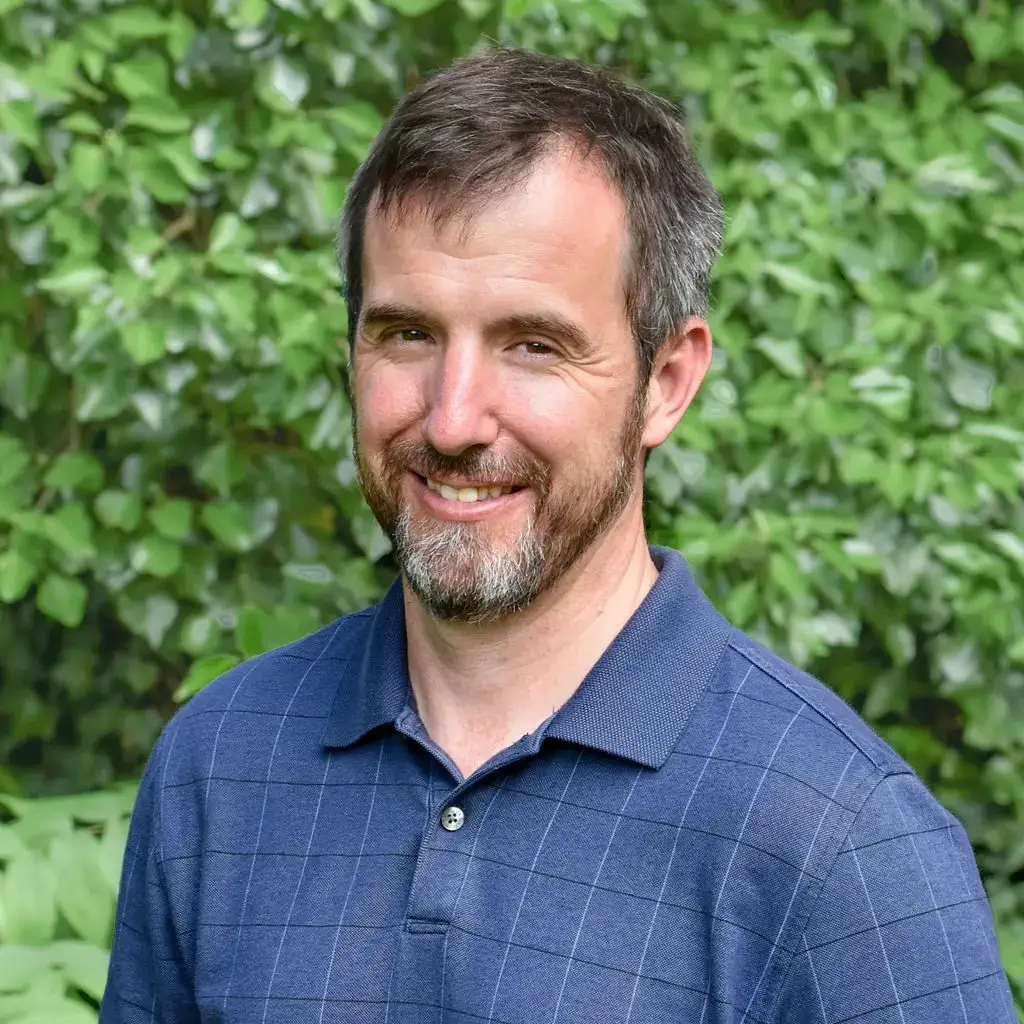
Jonathan Brush is the President and CEO of Unbound, a homeschool graduate, and a homeschool dad of six. He worked for nine years as a Director of Admissions for a private, liberal arts college, and then spent over ten years working in non-traditional higher education.
Jonathan loves Unbound and Unbound students and dreams every single day about new ways to connect them to each other. He gets to work with the world’s best team and the most amazing student body in the history of the world (which is just as awesome as it sounds), and field questions about Rule 4 violations (ask an Unbound student to explain). Jonathan and his family make their home in the Shenandoah Valley of Virginia.